

Understanding the Basics of AI and Cloud Computing
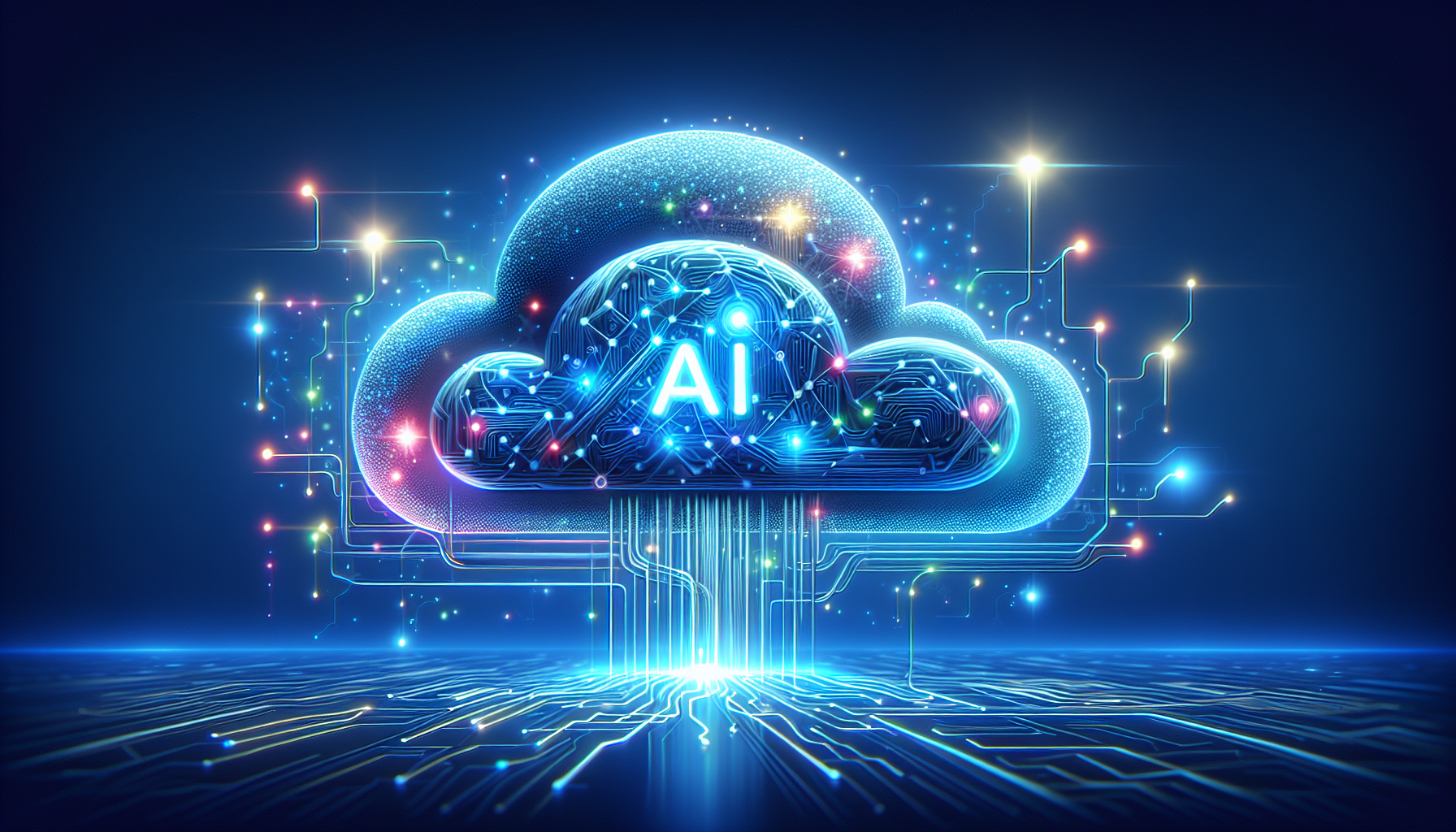
Artificial Intelligence (AI) and cloud computing are two transformative technologies that have reshaped the digital landscape. AI refers to the simulation of human intelligence processes by machines, especially computer systems. These processes include learning, reasoning, and self-correction. On the other hand, cloud computing involves delivering computing services such as servers, storage, databases, networking, software, and analytics over the internet, or “the cloud.” This allows businesses to access technology services on-demand without owning physical infrastructure.
The synergy between AI and cloud computing is driven by the need for scalable computing resources and sophisticated data processing capabilities. Cloud platforms provide the necessary infrastructure to host AI applications, facilitating the storage and processing of large datasets. This integration is crucial for developing AI models that require extensive computational power and storage resources. As AI algorithms become more complex, they demand more robust infrastructure, which cloud computing readily provides.
Moreover, cloud computing enhances the accessibility of AI technologies. By offering AI as a service, cloud providers enable businesses to leverage AI capabilities without investing in hardware or software development. This democratization of AI technology is pivotal for small and medium enterprises, allowing them to compete on a level playing field with larger corporations. The availability of AI tools and frameworks in the cloud accelerates innovation and reduces the time-to-market for AI-driven solutions.
The Role of AI in Enhancing Cloud Services
AI plays a significant role in optimizing cloud services. One of the primary applications of AI in the cloud is automation. AI algorithms can automate routine tasks such as resource allocation, load balancing, and system monitoring, reducing the need for manual intervention. This automation not only enhances efficiency but also minimizes the risk of human error, leading to more reliable cloud services.
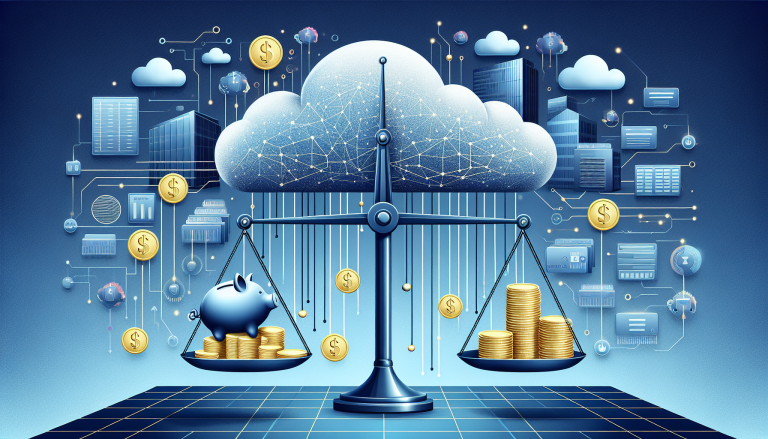
Predictive analytics is another area where AI contributes significantly to cloud computing. By analyzing historical data, AI models can forecast future trends and demands, enabling proactive resource management. This predictive capability helps cloud providers optimize their infrastructure, ensuring that resources are allocated efficiently and cost-effectively. Consequently, businesses benefit from improved performance and reduced operational costs.
Furthermore, AI enhances security in cloud environments. Machine learning algorithms can detect anomalies and potential threats in real-time, providing an additional layer of security. This proactive threat detection is critical in safeguarding sensitive data and maintaining the integrity of cloud services. As cyber threats become more sophisticated, AI-driven security solutions offer a robust defense mechanism, ensuring the protection of digital assets.
Cloud Computing’s Impact on AI Development
Cloud computing has a profound impact on the development and deployment of AI models. The scalability offered by cloud platforms allows developers to experiment with different AI architectures and algorithms without worrying about infrastructure limitations. This flexibility is crucial for innovation, enabling rapid prototyping and testing of AI applications.
Moreover, cloud computing facilitates collaboration among AI researchers and developers. Cloud platforms provide a centralized environment where teams can share data, models, and insights, fostering a collaborative approach to AI development. This shared ecosystem accelerates the pace of innovation, allowing teams to build on each other’s work and drive advancements in AI technology.
Additionally, cloud computing supports the deployment of AI models at scale. Once an AI model is developed and tested, it can be deployed across multiple cloud environments, reaching a wider audience. This scalability is essential for applications such as custom software development and consumer health insights, where AI models need to process large volumes of data and deliver personalized results to end-users.
Integrating AI with Cloud-Based Business Solutions
The integration of AI with cloud-based business solutions offers numerous advantages to enterprises. AI-driven analytics can enhance decision-making processes by providing actionable insights derived from data analysis. By leveraging cloud-based AI tools, businesses can gain a deeper understanding of market trends, customer preferences, and operational efficiencies, enabling them to make informed strategic decisions.
AI-powered automation in cloud environments can streamline business operations, reducing manual workload and increasing productivity. For instance, AI algorithms can automate customer service processes, handling routine inquiries and freeing up human agents to focus on complex issues. This integration not only improves customer satisfaction but also optimizes resource allocation within the organization.
Furthermore, AI and cloud computing together facilitate digital transformation initiatives. By adopting cloud-based AI solutions, businesses can modernize their operations and embrace innovative technologies. This transformation is essential for maintaining competitiveness in today’s dynamic market, enabling enterprises to adapt quickly to changing demands and seize new opportunities.
Challenges and Future Prospects of AI and Cloud Integration
Despite the numerous benefits, integrating AI with cloud computing presents several challenges. Data privacy and security are major concerns, as AI applications often require access to sensitive information. Ensuring the confidentiality and integrity of this data is crucial to maintaining trust and compliance with regulatory standards. Cloud providers must implement robust security measures to protect data from unauthorized access and breaches.
Another challenge is the complexity of AI models and algorithms. Developing and deploying AI applications in the cloud requires specialized knowledge and expertise, which can be a barrier for businesses lacking technical skills. To address this issue, cloud providers are offering AI development tools and frameworks that simplify the process, making it more accessible to non-experts.
Looking ahead, the integration of AI and cloud computing holds promising prospects. Emerging technologies such as Edge AI and TinyML are set to revolutionize the way AI applications are deployed and managed in cloud environments. These technologies enable AI processing at the edge, reducing latency and improving performance. As AI continues to evolve, its synergy with cloud computing will drive innovation and transform industries across the globe.
Conclusion: Embracing the Future of AI and Cloud Computing
In conclusion, the synergy between AI and cloud computing is a powerful driver of technological advancement. By combining AI’s analytical capabilities with cloud computing’s scalability and accessibility, businesses can unlock new opportunities for growth and innovation. The integration of these technologies enhances efficiency, security, and collaboration, paving the way for a more connected and intelligent digital ecosystem.
As AI and cloud computing continue to evolve, businesses must embrace these technologies to stay competitive. The future promises exciting developments, with AI-driven cloud solutions transforming industries and redefining business operations. By harnessing the power of AI and cloud computing, enterprises can achieve unprecedented levels of agility and adaptability, positioning themselves for success in the digital age.
Ultimately, the synergy between AI and cloud computing represents a paradigm shift in how technology is utilized and deployed. By embracing this transformation, businesses can unlock the full potential of their digital assets and drive innovation in ways previously unimaginable.